Interest Rate Cuts: What’s Truly at Risk?
 |
Understanding the Risk: Why It
Matters
-796646.jpg)
The CBSL uses its single policy
rate (OPR) to set market rates as part of its inflation targeting mechanism. Reducing
this rate at a time when the economy is already displaying signs of credit recovery
could encourage excessive borrowing, discourage banks from holding government securities,
and possibly lead to reserve losses or capital outflows as a result of increased
demand for imports.
The article points out that keeping
interest rates low during a credit recovery may:
Discourage banks from investing in Treasury bonds
- Result in a reduction of foreign reserves as more money is directed towards imports
- Would result in macroeconomic instability by indirectly driving inflation
Foreign investors may become anxious as a result and cause them to take their funds out. This is a major risk for a country like Sri Lanka, which is still getting over a recent debt crisis. We may be getting closer to another economic collapse if we continue to lose reserves.
The Classical Economic Perspectives
Interestingly, the article points out modern macroeconomic models set up by organizations like the IMF, stating they are inaccurate and misleading. It argues that these models often ignore proven classical economic principles, such as those from David Hume, which emphasize the significance of strict monetary policy when accumulating foreign reserves. The article argues against using concepts like potential output and core inflation to support interest rate cuts, as they may not accurately reflect real economic risks. This concern grows especially serious now, given the lack of transparent Balance of Payments (BOP) data in Sri Lanka.
What do Theories Say?
Liquidity Preference Theory (LPT)
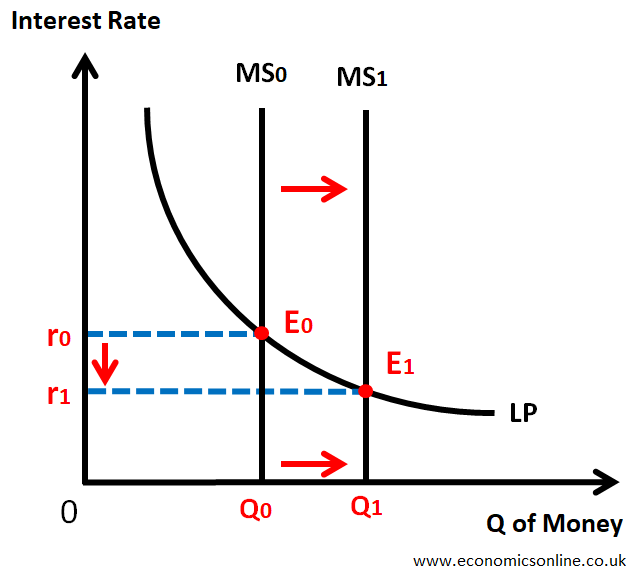
This theory implies that the
interest rate is decided by the demand and supply for money. Interest rates
decrease and borrowing becomes lower in cost when the central bank injects more
money into the system (through methods like cutting interest rates or open
market operations).
However, judging by Sri Lanka's
current situation, if this persists when the economy is already
accelerating or recovering, it raises liquidity beyond what is required,
resulting in inflation, currency depreciation, and even import increases. An
excessive amount of money pursues limited commodities, which raises prices
rather than increasing output. The rupee depreciates under certain situations,
and reserves may be drained to keep the currency stable.
Final Thoughts
References
https://www.cbsl.gov.lk/sites/default/files/cbslweb_documents/press/pr/press_20250522_Monetary_Policy_Review_No_3_2025_e_Mw8b9.pdf?utm_source=chatgpt.comWritten by,
Devni Weeramuni (236136B)
- July 27, 2025


No comments:
Post a Comment